College Hazing Prevention
U A C O S S A T O T
College Hazing Prevention
Student Training to Prevent Hazing
Policies:
Student Code of Conduct
Hazing Policy
Hazing Prevention Policy
Hazing Prevention: What You Need To Know and What You Can Do
Preventing Hazing and Staying Safe
The best way to prevent hazing is to choose groups that value respect, inclusivity,
and positive traditions. Ask direct questions during recruitment: “What are the new
member activities like?” and “Does this group have a hazing policy?” Reputable organizations
will answer openly and have clear, transparent processes. If you experience or witness
hazing, speak up—report it immediately to a trusted faculty member, advisor, dean
of students, or campus safety office. Many incidents go unreported because students
fear retaliation or losing social connections, but colleges are required to take these
reports seriously and protect reporters. You can also help prevent hazing by promoting
healthy group bonding alternatives like community service projects, team-building
workshops, or social events.
Recognizing & Preventing Hazing
Recognizing Hazing
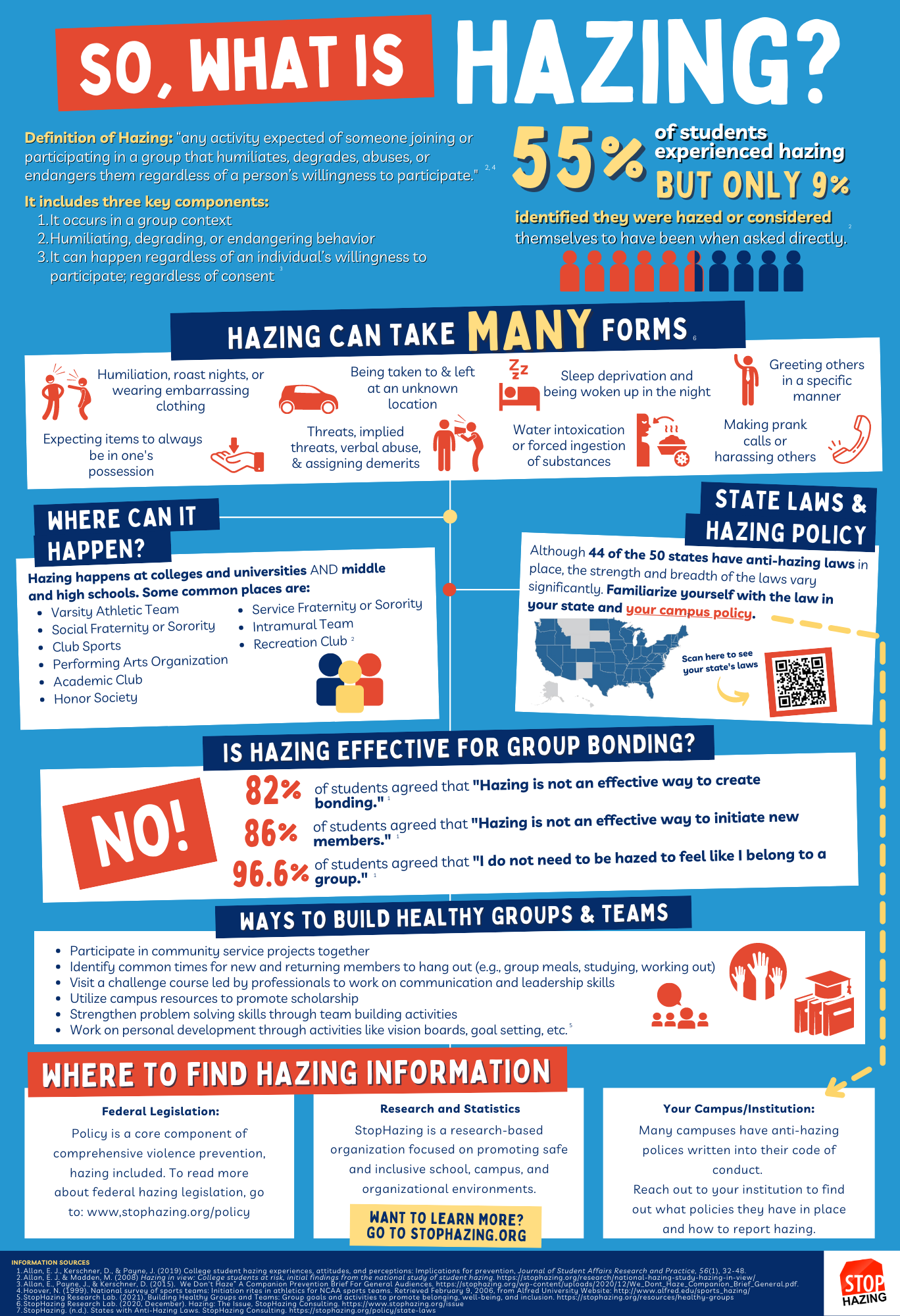
Hazing includes any activity or situation, often tied to joining a club, sports team,
fraternity, sorority, or other student group, that humiliates, degrades, risks physical
or emotional harm, or creates unnecessary stress for new or prospective members. Common
examples include forced alcohol consumption, sleep deprivation, humiliating public
stunts, physical exercises as punishment, or requiring new members to perform personal
services for existing members. Importantly, hazing can happen even if someone “agrees”
to participate—consent does not make it acceptable. At a community college, hazing
might look subtler than at large universities: it could involve mandatory late-night
“bonding” sessions, scavenger hunts with dangerous or embarrassing tasks, or pressure
to prove loyalty through risky behaviors. If an activity makes you or others feel
unsafe, uncomfortable, or pressured, it is likely hazing. Trust your instincts and
know that true belonging does not require you to endure harm.
Alcohol and Hazing: Examining the Intersections and Considering Implications for Campus Prevention
Alcohol and Hazing
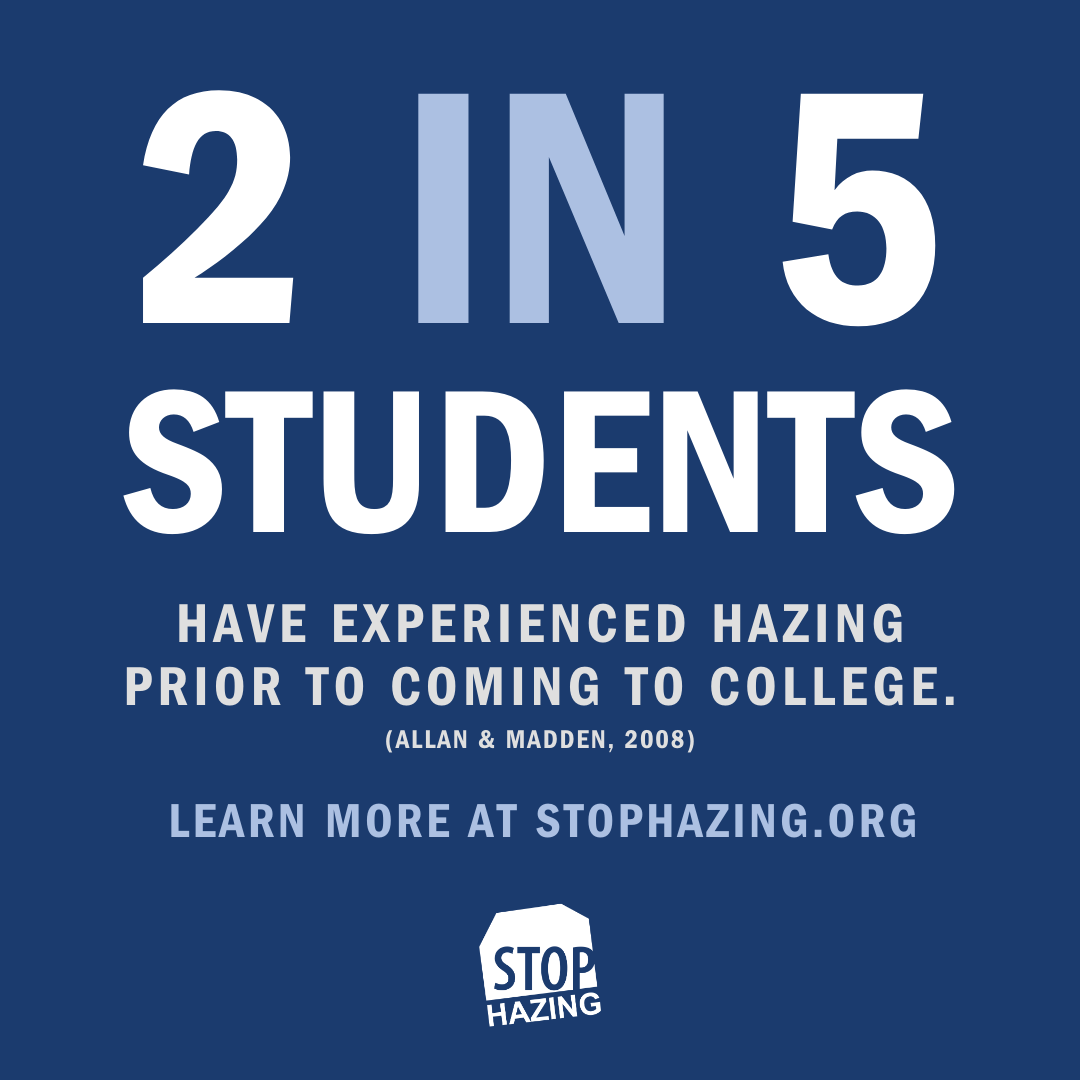
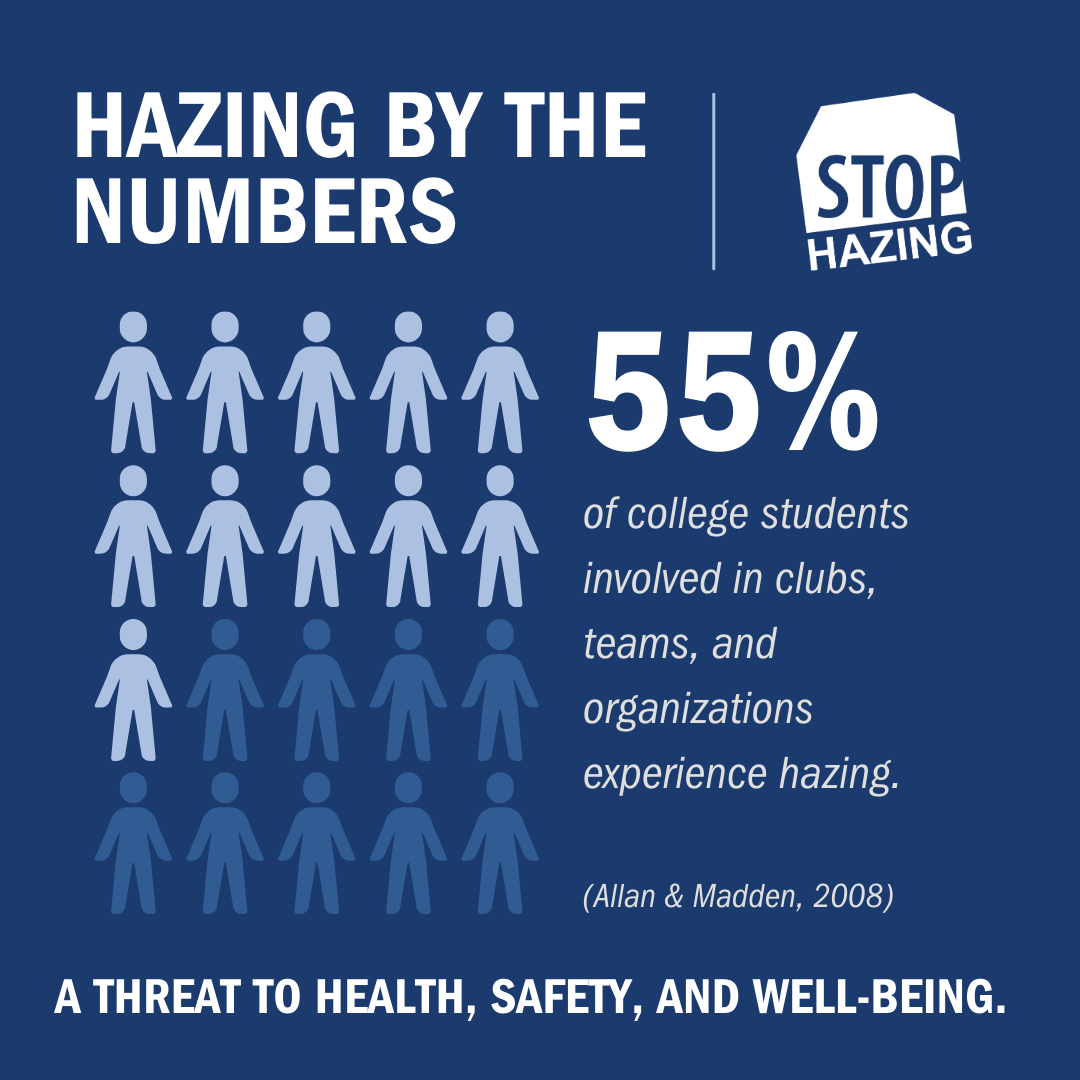
Research indicates that student hazing occurs in a range of campus clubs, organizations, and teams. Hazing activities can include humiliating and degrading behavior, harassment, and physical abuse, and sometimes, hazing can be deadly. This webinar will provide participants with foundational information about hazing and its prevention with a particular emphasis on the intersections of hazing and alcohol misuse. Presenters will highlight research findings about campus hazing and its prevention, the Hazing Prevention Framework, and implications for the work of AOD professionals in higher education.
Presenters: Dr. Elizabeth Allan, Lauri Sidelko, & David Kerschner
Questions? Contact Us.
Suzanne Ward
Director Admissions & Enrollment Services
sward@cccua.edu
870-584-1143
Explore UA Cossatot and let us help you find out how we can get you started, or help you continue, your educational journey. At UA Cossatot, if you start here, you can go anywhere!